

Los acordes pop
Adéntrate en el mundo de los acordes y las progresiones armónicas detrás de los mayores éxitos de la música pop para poder tocar tus canciones favoritas con facilidad... ¡o incluso componer las tuyas!Última actualización el 6 de junio de 2024Nota: podrás aprovechar al máximo este artículo si ya tienes conocimientos básicos de escalas y acordes mayores y menores.La mejor forma de no perder la motivación al aprender piano es hacerlo tocando tus canciones favoritas. Para la mayoría, se trata de música pop, que abarca canciones que fueron populares 20 (¡o hasta 70!) años atrás, según el gusto individual. Si bien todas estas canciones pueden sonarte diferentes, suelen tener una estructura de acordes similar. Comprender esta estructura no solo te ayudará a aprender canciones más rápido y fácil, sino que también te ayudará a inventar tus propias canciones o identificar los acordes en otras. En este artículo te presentaremos la notación de acordes e identificaremos los cuatro más comunes en el pop. Aprenderás cómo encajan en una progresión armónica y cómo suenan las progresiones más habituales, para cerrar con otros dos acordes que conviene conocer para tocar pop.
El ABC de los acordes
A esta altura seguro ya te has familiarizado con la nota fundamental y con cómo se denominan las notas de una escala en relación a ella; por ejemplo, observamos las terceras y quintas en nuestro artículo sobre acordes mayores y menores y las séptimas en nuestro artículo de acordes de séptima.En el caso de los acordes, se superponen dos o tres notas por encima de la fundamental para crear acordes fundamentales. También se emplea un tipo particular de notación para describirlos que seguro te resultará conocida: se trata de números romanos (I, II, III, IV, etc.).Esta notación seguro te resultará conocida: se trata de números romanos (I, II, III, IV, etc.).Si formas un acorde mayor partiendo de la fundamental, este pasa a ser el acorde I. A partir de allí, cada acorde se denomina en relación al I. Es decir, si tomas la quinta nota de la escala y armas un acorde mayor con ella, será el acorde V.Si formas un acorde menor, deberás usar números romanos en minúscula. Por ejemplo, un acorde menor que empieza en la sexta nota de la escala será el acorde vi.Usaremos esta notación de aquí en adelante.Los cuatro acordes que forjaron el pop
Es increíble la cantidad de música que se puede crear tocando unos pocos acordes en un orden específico y cambiando la melodía que los acompaña. A veces solo hacen falta dos (¿te suenan las estrofas de Imagine de John Lennon?). Una sucesión de acordes se denomina progresión.En el pop, las progresiones suelen estar compuestas por cuatro acordes. Ahora bien, ¿cuáles son los cuatro acordes más usados en la música pop? Son los acordes I, IV, V y vi. Siguiendo esta misma lógica, si el acorde I es de do mayor, entonces el IV es un acorde mayor en la cuarta nota de la escala: fa mayor.Estos cuatro acordes (I, IV, V y vi) son la base de una infinidad de éxitos del pop.¿Por qué estos acordes aparecen tan a menudo en la música pop?
Estos acordes aparecen en la música pop porque tienen notas en común que suenan bien juntas. Veamos un ejemplo: un acorde de do (do, mi, sol) tiene una nota en común con un acorde de fa (fa, la, do) y con un acorde de sol (sol, si, re) y dos notas en común con un acorde de la menor (la, do, mi). Las notas comunes vinculan de cierto modo a estos acordes, generando una “resonancia armónica” que resulta natural y agradable al oído.Junto con el acorde I, los acordes IV y V son los más agradables para el oído humano, por lo que armonizan con naturalidad. El acorde vi también encaja bien gracias a su relación especial con el acorde I, puesto que es su “menor relativo” (ahondamos más en esto en nuestro artículo sobre acordes mayores y menores). El acorde vi también comparte dos notas con el acorde IV, por lo que también suenan particularmente bien juntos.Sumado al hecho de que hemos estado usando estos acordes en progresiones por siglos y siglos, ¿cuál es el resultado? Cuatro acordes que suenan perfectos juntos; por lo menos para cualquier persona habituada a la música de la tradición europea occidental. Si agregamos una melodía y letra pegadizas, completamos la fórmula de un éxito del pop.What songs can I play with these four chords?
Here are just a few examples of pop songs that you can play on piano with these four chords. By changing the order of the chords, we get different types of progressions that can be used in subtly different ways.I-V-vi-IV: The Every Pop Song Ever Progression
You may have seen the video poking fun at how many songs use exactly the same progression. This is that progression. The four chords in this order have just the right combination of positivity and power, mixed with a touch of guilty-pleasure cheesiness."Take Me Home, Country Roads" — John Denver
The I-V-vi-IV chord progression in this nostalgic megahit's chorus creates a pleasing harmonic structure that strikes on an emotional level and nearly demands a sing-along. It also provides a sense of resolution and comfort — much like coming home.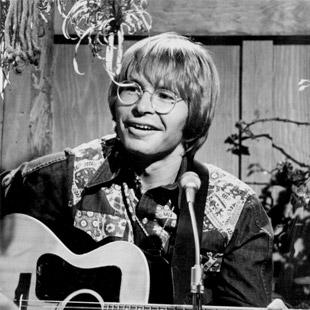
"Forever Young" — Alphaville
Like "Take Me Home, Country Roads," Alphaville's nostalgic classic possesses a timeless, anthem-like quality. The I-V-vi-IV progression weaves the song's powerful emotional core into a catchy, unforgettable chorus.
vi-IV-I-V: The Sensitive Progression
This is the same set of chords as above, in the same order, but starting in a different place. Since it begins with the minor vi chord, it's regularly used for songs that are a little more “serious,” while still radio-friendly. Often, the first chord is played as a minor seventh chord, to soften the “sad” mood.Learn more: Seventh Chords"Skinny Love" — Birdy
Whether or not you rank this as giant a hit as the others, "Skinny Love" is a perfect piece of melancholy piano pop. It’s also one of the songs that turns the first vi chord into a minor seventh to take the “sad” edge off.
"All of Me" — John Legend
Simple and emotional, this song pulls at the heartstrings in the verses using only these four chords. Then — when it turns major in the chorus — it switches to the next progression in our list of favorites…
I-vi-IV-V: The Soulful Progression
Also known as the '50s Progression for how often it was used in doo-wop hits of the '50s, this flows through the chords in a different order. The effect is something more soulful and heartfelt, lending itself perfectly to powerful love songs in any genre."Can't Help Falling in Love With You" — Elvis Presley
The verse of this classic love song follows the I-vi-IV-V progression, which infuses it with nostalgia and romance while adding emotional depth. Layer Elvis Presley's smooth vocals on top and it's obvious why this one's a wedding favorite.Read: Wedding Music: The 8 Piano Songs You Need for a Perfect Day"Total Eclipse of the Heart" — Bonnie Tyler
Among the best ever '80s power ballads, this massive hit starts off with a sorrowful, minor-led verse before exploding into I-vi-IV-V for the chorus. Just in time for you to start belting out "I need you now tonight, and I need you more than ever."What other chords often appear in pop music?
These final two chords may not always start out a pop progression, but they often end up somewhere in the mix. Both minor, they give harmonic variety and movement to a song.Chord ii
To play a chord ii, build a chord with the second note of the scale as the root note. The resulting chord is a minor chord. For example, in the key of C major, chord ii is D minor.Chord ii doesn't share any notes with the root chord, which gives it an "unfinished" feel. It's often used as a way to get to another chord — aka, as a passing chord — especially as part of an ii-V-I progression in jazz. Since we're talking about pop chords here, how about an example of piano pop with a jazzy flavor?"This Love" — Maroon 5
You can hear chord ii as the third chord in the verses and the second chord in the chorus of this song, moving us along nicely through this early 2000s hit.
Chord iii
To play a chord iii, build a minor triad with the third note of the scale as the root note. If we stick to the key of C major as before, chord iii is E minor.Chord iii is like the friend you know who gets along with everyone. It sounds great before or after chord vi in a progression, since the two are a fifth apart. Plus, it shares two notes with both chord I and the chord V, so it feels natural next to them, too."Everybody Wants to Rule the World" — Tears for Fears
In Tears for Fears' synth-pop '80s hit "Everybody Wants to Rule the World," chord iii appears in the chorus, adding a dash of melancholy and introspection to the bubbly beat.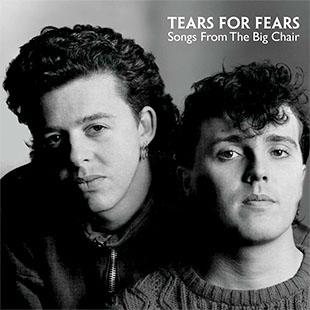
Continue your musical journey — next steps and resources
The common pop chords and progressions we've explored herein just go to show that a well-structured harmony is truly timeless. Whether you're performing pop classics or composing new tunes, we hope this knowledge will help you play with the creativity and freedom that comes from a deeper understanding of music.If you're wondering about what to do next, we recommend diving into the examples above and experimenting with these chords in your own playing. To keep learning about different types of chords, you can check out our chords library here in our magazine, and/or our Mastering Chords and Improvising with Chords courses in the flowkey app.Happy playing!
Lee los siguientes artículos

Los acordes de novena
Los acordes de novena son conocidos por su sonido pleno y ensoñador. Aprende cómo funcionan para poder hechizar tus sesiones de piano con su magia.
9 piezas de piano imprescindibles compuestas por mujeres
De Amy Beach a Clara Schumann, hemos seleccionado nuestras piezas de piano favoritas compuestas por mujeres, todas ellas disponibles para que las aprendas con flowkey.
La inversión de acordes
¿Quieres añadir profundidad, variedad y fluidez a tu interpretación pianística? Este artículo te enseña todo lo que necesitas sobre la inversión de acordes.


