

5 Beethoven Piano Pieces to Learn for Players of All Levels
Playing Beethoven on piano can be a full-body experience. We've gathered the five pieces we believe best showcase his brilliance—for pianists of all levels.Last updated on 10 Apr. 2024As one of the most renowned and admired composers in the history of Western music, Ludwig van Beethoven really needs no introduction—but we'll give you a small one, just for fun. The German pianist and composer straddled both the Classical and Romantic periods, leaving a legacy of over 700 works, many of which are still popular today. With so many pieces to choose from, you may be wondering where to start. Below we've highlighted the five piano pieces from Beethoven's impressive repertoire that we believe best showcase his brilliance. You can learn to play all of these in the flowkey app.Playing Beethoven's pieces on piano, you'll recognize a whole range of emotions and themes. A thread that runs through all of his works, however, is his "assertion of the human will"—unsurprising given he famously continued composing despite his hearing loss. In short, if you're looking for music that fuels your inner strength, you've come to the right place!
5. Symphony No. 5 in Cm, Op. 67 – Theme
A dark, dramatic crowd-pleaser
Da-da-da-DA! The iconic four-note opening of Beethoven’s famous Fifth Symphony always steals the show. And the rest of the piece definitely puts your playing skills to the test! If you’re up for the challenge, this piece will reward you with a dark, dramatic melody that has enough twists and turns to impress any audience—and keep your blood pumping as you play.
4. Moonlight Sonata
Unconventional and full of emotions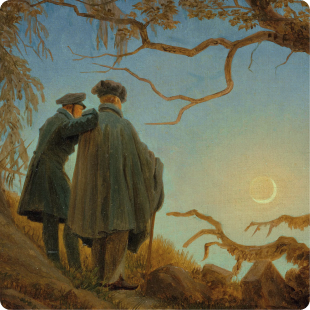
The “Moonlight Sonata” is a prime example of Beethoven’s refusal to stick to the status quo. Instead of following the expected fast-slow-fast pattern of sonatas at the time, the composer chose to open with a slow set of arpeggios and build up to faster, more dramatic music in the final two movements. In turning the traditional form of the sonata on its head, Beethoven takes us on a journey from sorrow to happiness to defiance. It makes this piece incredibly exciting to play and shows exactly why Beethoven was a musical master of emotions.
3. Für Elise
Equal parts hopeful and haunting
One of Beethoven’s best-known piano pieces, “Für Elise” is also a bit of an enigma. Its nickname translates to “For Elise,” but no one knows for sure who Elise was. It’s also unclear if Beethoven even wrote the piece for an Elise at all. One theory suggests that he actually dedicated it to a pupil of his named Therese Malfatti. The mystery remains unsolved, but one thing is certain: “Für Elise” is a lovely little piece. Equal parts hopeful and haunting, it’s built on a beautiful yet relatively simple melody, making it a piece that piano players of all levels can enjoy learning.
2. Adagio Cantabile – Sonata Pathétique
Expressive, sorrowful, and dynamic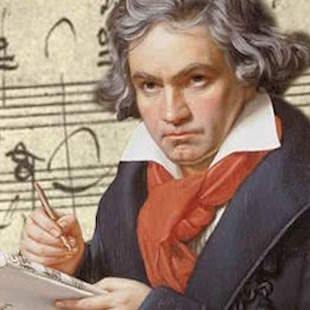
While many of Beethoven’s works have earned unofficial nicknames, the composer likely chose the title “Pathétique” himself. The name perfectly captures the expressive, sorrowful mood of this sonata. A visionary work, this emotionally charged composition broke away from Classical conventions and marked the beginning of the shift toward the Romantic period, where composers like Franz Schubert flourished. Full of rich rhythms and dynamic contrasts, the “Pathétique” is a fantastic piece for exploring the piano’s legendary versatility. Once you’ve perfected the notes, try exploring the harmonies and really losing yourself in the emotions of the sonata.
1. Ode to Joy
Happy, hopeful, and satisfyingly grand
“Ode to Joy” is the fourth and final movement of Beethoven's Symphony No. 9. Regarded by many as the composer’s greatest work, it’s also the first symphony to ever combine vocal and instrumental music. First performed in Vienna in 1824, Beethoven’s epic composition has become a symbol of hope, unity, and freedom. Even though it was originally written for a full orchestra, this piece still sounds satisfyingly grand on solo piano. The melody is simple, instantly recognizable, and makes you feel happy and hopeful as you play. It's available to learn on flowkey in Beginner, Intermediate, and Advanced arrangements, so you can work your way up or dive right into the deep end, depending on your experience level.
Learn more Beethoven with the flowkey app
flowkey makes learning Beethoven songs fun and easy. A collection of drills and in-depth tutorials created by professional musicians will help you read sheet music, learn to play with both hands, and master chords and time signatures. You will also learn to play famous songs from genres like pop, jazz, film music and classical. Get started with flowkey today to start learning.

Read next

Baroque, Romantic, Contemporary: Famous Piano Composers Across the Eras
Take a trip through piano history, from the Baroque right up to the Contemporary period, and learn more about the composers that defined each era.
Why Every Piano Beginner Should Learn Music Theory
Understanding the theory behind the music you play is key to becoming a better pianist. Here's why it's worth taking the time to learn the basics.
The 14 Classical Piano Pieces Every Musician Should Know
With centuries of history behind it, classical music deserves a spot on every pianist's playlist. Here are some of the most famous piano pieces from Baroque to Romantic.


